The Drone that Woke Up Europe: How Florian Seibel Built a $3B Defense Powerhouse
The European defense sector has traditionally operated on a timeline that would drive a Silicon Valley founder insane.
For decades, the continent relied on legacy defense contractors, commonly known as primes, to design military hardware. These bureaucratic giants spent ten years and billions of Euros developing massive, singular platforms. But when modern, asymmetric conflict arrived on Europe’s doorstep in 2022, the rules of engagement changed.
The skies are no longer dominated by expensive manned jets. They are ruled by cheap, autonomous, software-defined drones that iterate on a weekly cycle.
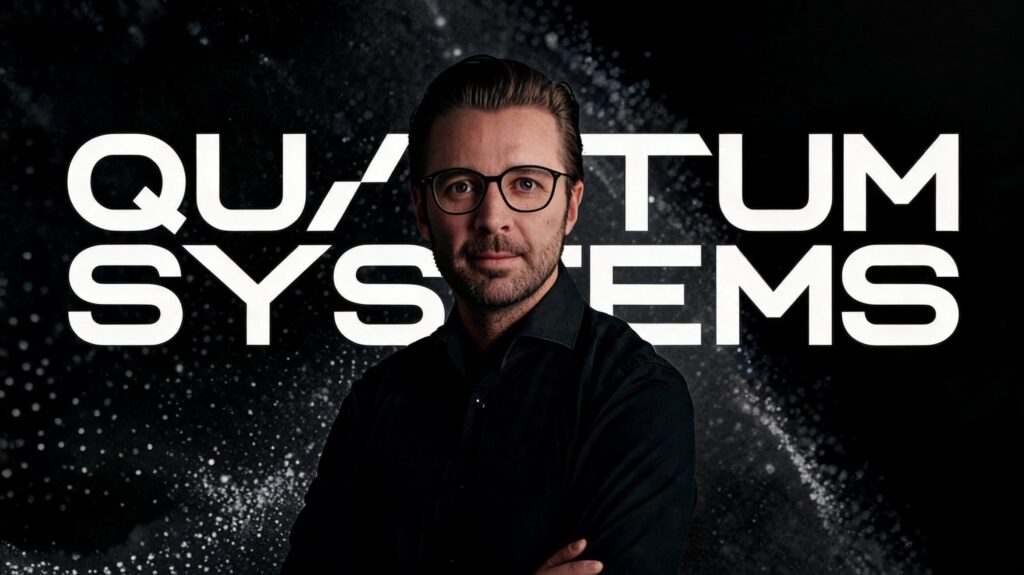
Enter Florian Seibel, the former military pilot and founder of Quantum Systems.
Based in Gilching, Germany, Quantum Systems has emerged as Europe’s first dual-use defense unicorn, recently tripling its valuation to over $3.2 billion. Backed by Peter Thiel and Balderton Capital, with rumors of massive investments from Airbus and Blackstone pushing them toward a $7 billion valuation, Florian has shattered the legacy defense playbook.
He proved that in the new era of warfare, the most lethal weapon is not heavier armor, but faster engineering.
The Problem: The Pacifist Bottleneck
When Florian Seibel founded Quantum Systems in 2015, the idea of building a venture-backed defense company in Germany was practically a death sentence.
The Legacy Resistance
The European venture ecosystem was deeply pacifist. Most institutional funds had strict environmental, social, and governance (ESG) mandates that explicitly banned investing in defense technology. If you wanted to build hardware, you had to focus entirely on civilian markets.
Florian, who spent sixteen years as an officer and helicopter pilot in the German Armed Forces (Bundeswehr), understood that this division was artificial. He realized that the same vertical take-off and landing (eVTOL) drone technology needed to map an agricultural field could also save lives on a battlefield.
The Dual-Use Shield
To survive the funding bottleneck, Florian adopted a dual-use strategy.
He spent years building the Trinity series, an electric fixed-wing drone designed for commercial land surveying, agriculture, and construction.
By proving the commercial viability of the hardware, Quantum Systems secured the early revenue and technical data needed to keep the lights on without relying on government defense budgets. This is the exact same pragmatic approach we saw with Hadrian building the unsexy manufacturing foundation before trying to build the final rocket.
The Playbook: The Ukraine Pivot
In February 2022, the geopolitical landscape changed overnight. The Russian invasion of Ukraine turned civilian technology into a primary defense requirement.
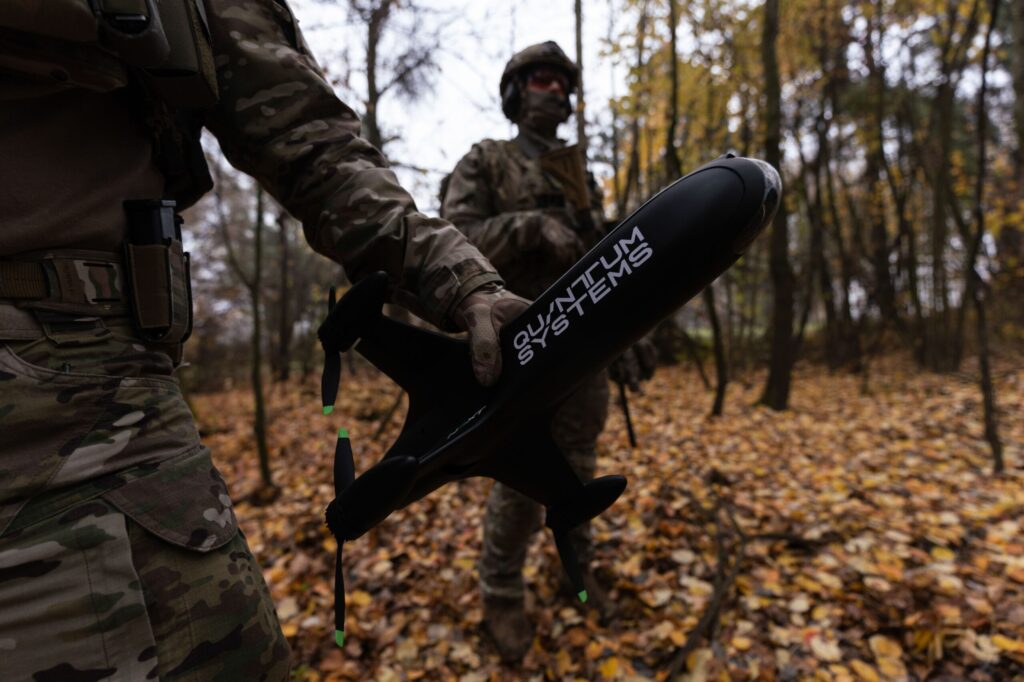
While traditional defense primes held meetings to discuss five-year procurement roadmaps, Florian moved with total, uncompromising agency. He took their tactical drone, the Vector, and sent it directly to the front lines.

Designing for the Dirt
Florian’s military pilot background gave him a massive advantage. He knew that the hardest part of aviation isn’t flying in a perfect lab: it is surviving the real-world conditions of the field.
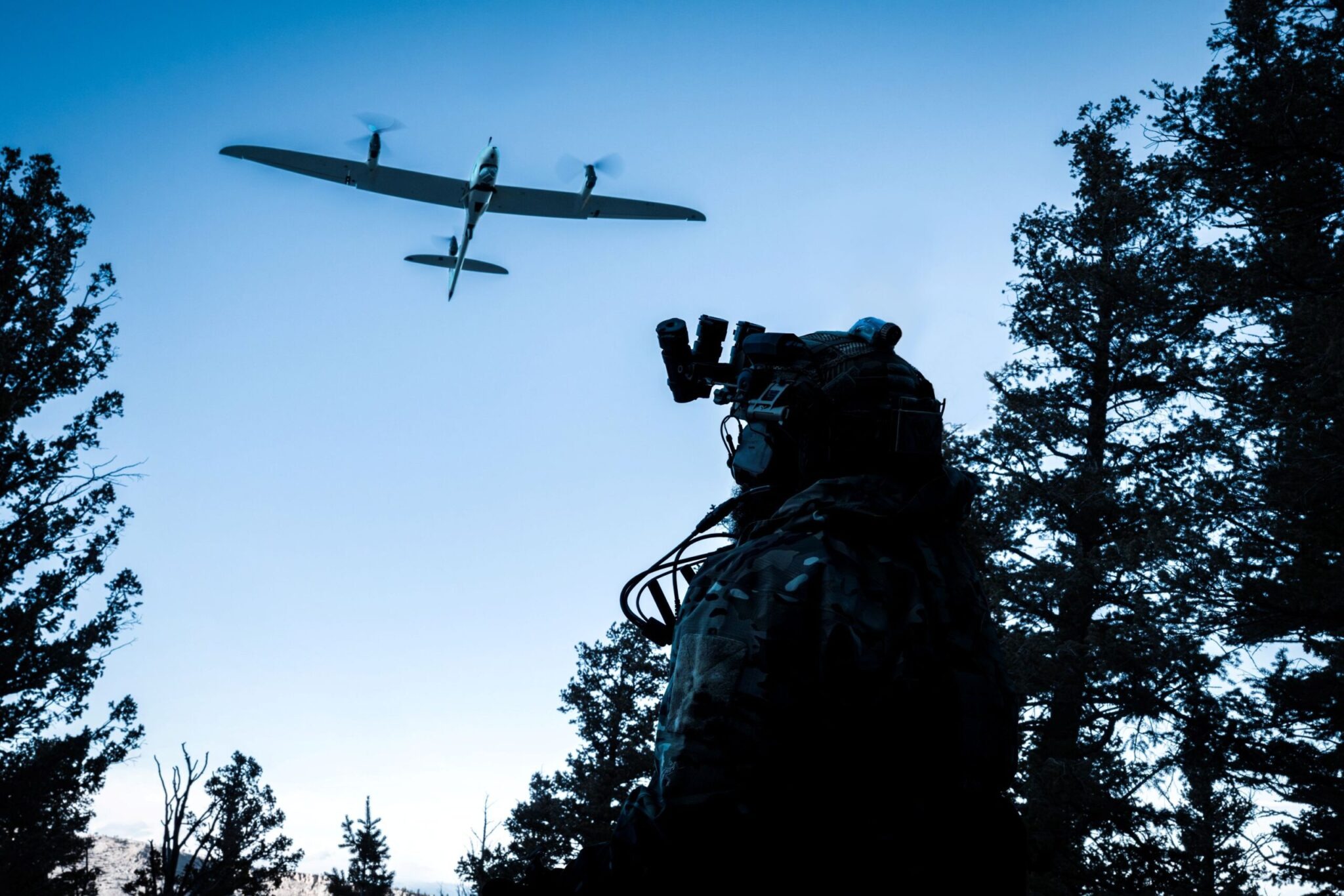
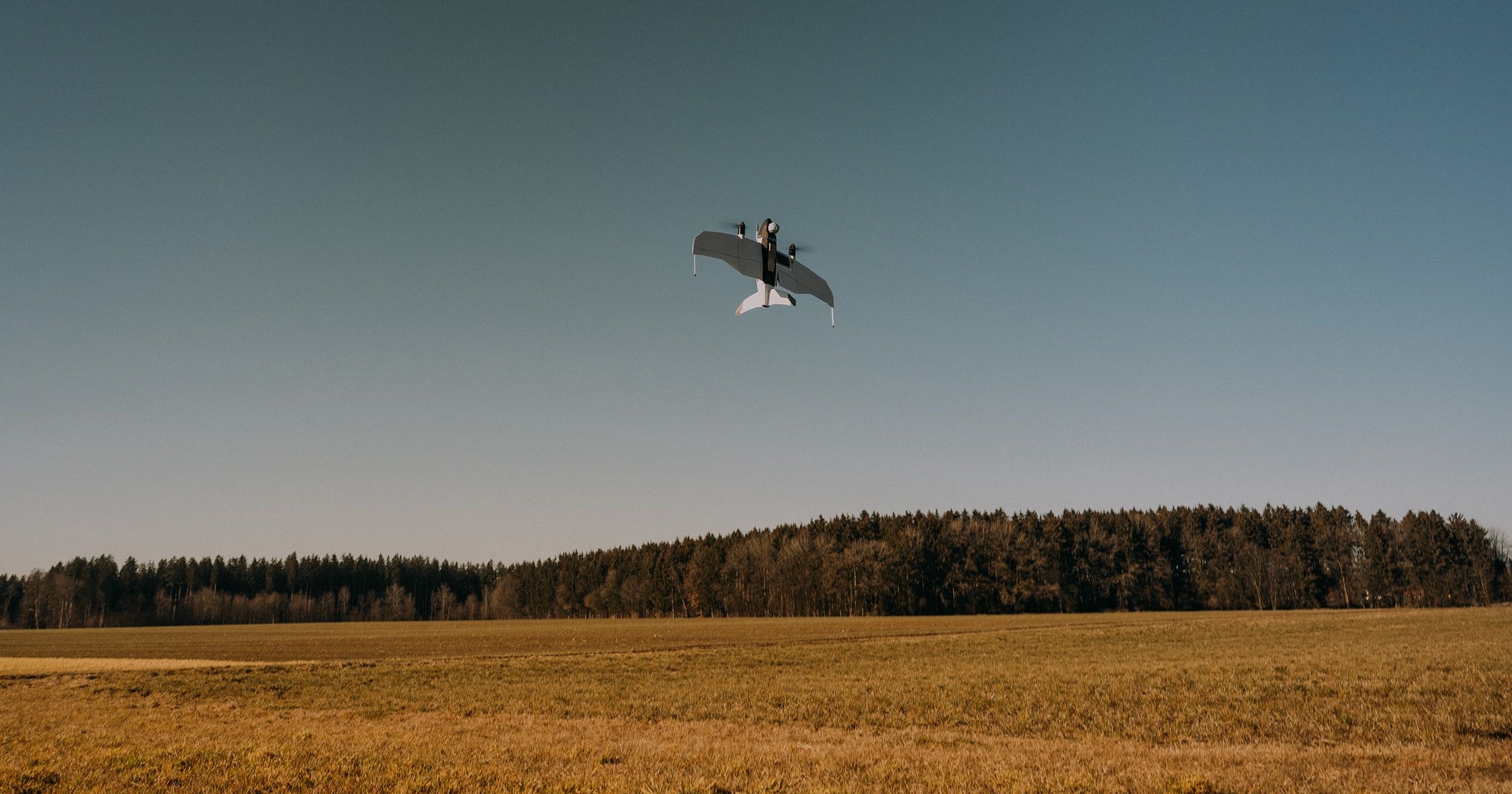
The Vector drone was designed to be portable, quiet, and easily deployed by a single soldier in under two minutes.
It does not require a runway. It takes off vertically like a helicopter, swivels its electric rotors mid-air, and flies horizontally like a plane. This VTOL capability means a soldier can launch it from a thick forest or a muddy ditch, completely deleting the human requirement of heavy launch infrastructure.
The Localized Feedback Loop
When Ukrainian forces deployed the Vector, they immediately hit a massive technical bottleneck: electronic warfare. Russian jamming systems were knocking drones out of the sky by disrupting GPS and communication signals.
Instead of waiting for feedback from a distance, Florian took a page out of the Windsurf playbook of brutal, real-time iteration. He established local service and training hubs directly in Ukraine.
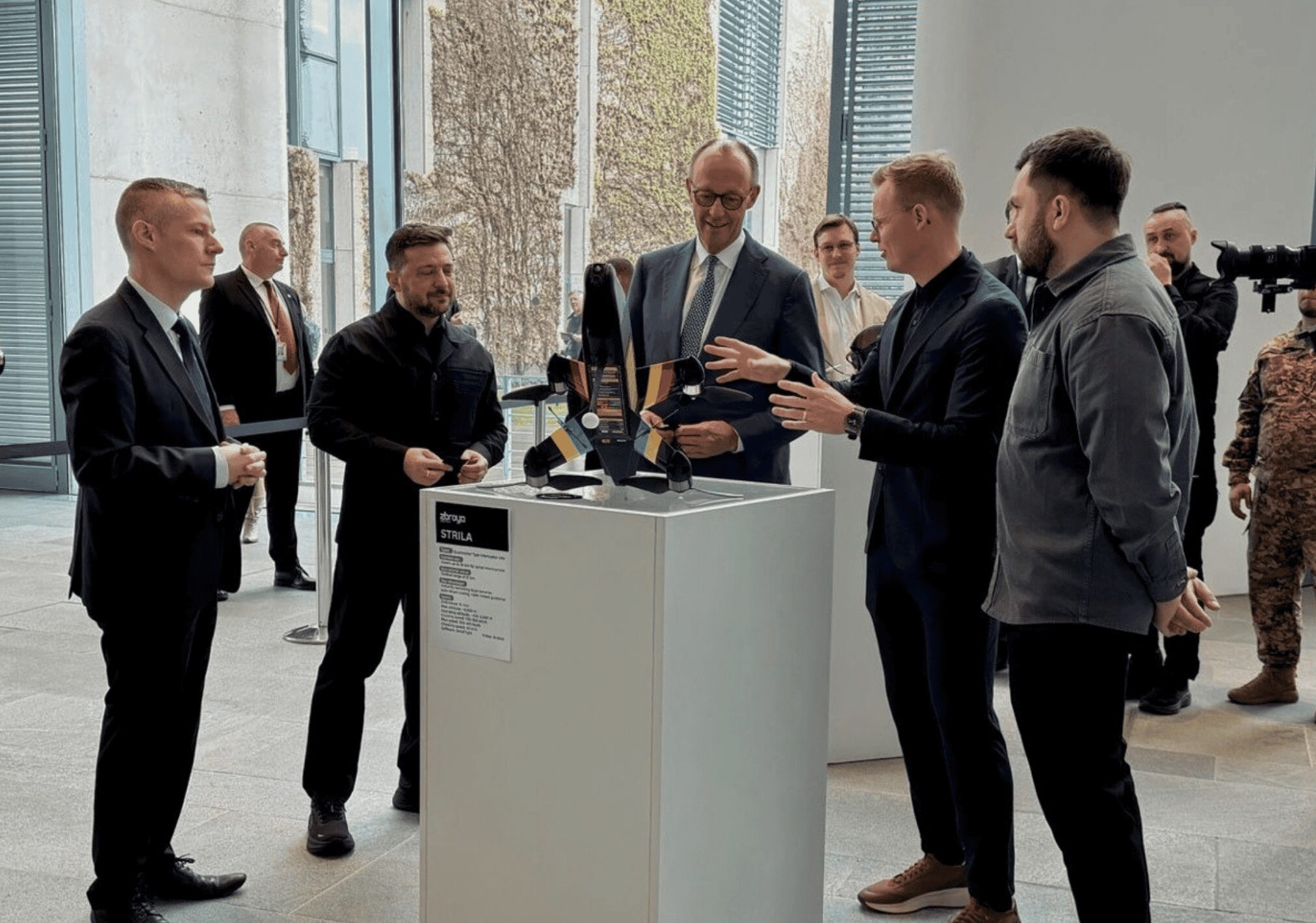
When a drone was jammed, Ukrainian engineers worked side-by-side with Quantum Systems developers to rewrite the flight control software on the spot, pushing over-the-air updates to the drones in the middle of a conflict.
This speed of hardware-software integration is the ultimate competitive advantage, mirroring Sola AI’s ability to stay in the basement coding custom features until the customer’s problem is solved.
Founder Lessons: The Dual-Use Insurgency
For operators and founders trying to build high-barrier businesses, Florian Seibel’s journey offers critical operational lessons:
1. Build a Parallel Moat
If your target market is highly regulated or politically sensitive, do not wait for the government to save you. Build a parallel, commercial use-case to fund your R&D and build your technology stack.
The data and manufacturing capabilities Quantum Systems built on commercial mapping paved the way for their military dominance.
2. The Sandbox of Conflict
You cannot design the perfect product from a clean office in Munich. You have to put your hardware in the dirt. By placing their drones on the front lines and setting up local engineering loops, Quantum Systems built a software-defined defense platform that is hardened against the most advanced electronic warfare on Earth: a moat that traditional defense contractors cannot buy.
3. Autonomy is an Integration Problem
A drone is not just a piece of flying carbon fiber. It is a flying data intelligence collector. Florian realized that to win the next decade, Quantum Systems had to focus on the software-defined sensor stack.
Their drones are integrated with AI-enabled autonomy, allowing them to navigate and locate targets even when totally jammed, much like Blue Water Autonomy uses sensor-fusion to guide ships across the ocean without a crew.
Final Word
The defense of western democracy is no longer a slow-moving civil engineering project.
Quantum Systems is proving that Europe’s security will be built by agile, gritty startups that can out-iterate the bureaucracy. By turning a flatbed truck into a mobile drone port and treating hardware like a software update, Florian Seibel is not just building a multi-billion dollar business. He is securing the eastern flank of NATO, one software push at a time.

Tumisang Bogwasi
Tumisang Bogwasi is an award-winning entrepreneur and strategist sharing insights on business growth, leadership, and innovation.