The Ghost Fleet: Why Blue Water Autonomy is Building Ships Without Crews
The global supply chain and maritime defense sectors are currently facing an existential labor crisis.
Being a merchant sailor or a naval officer is dangerous, isolated, and increasingly unappealing to the modern workforce. Yet, 90% of global trade moves by sea, and maritime security is at its highest tension point in decades. We are trying to protect the world’s oceans with a 19th-century reliance on human crews.
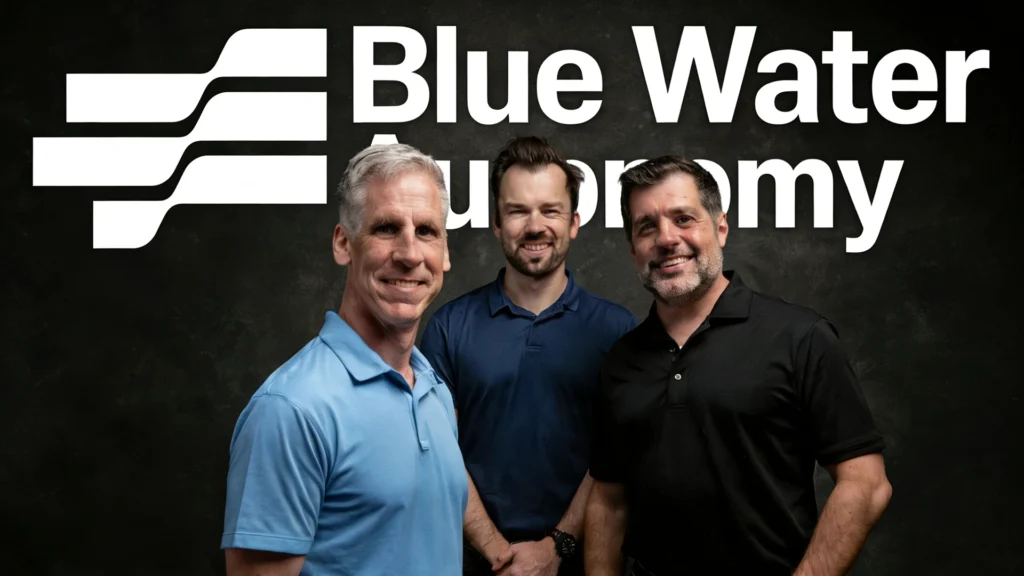
Enter Scott N. Miller, Austin Gray, and Rylan Hamilton, the founders of Blue Water Autonomy.
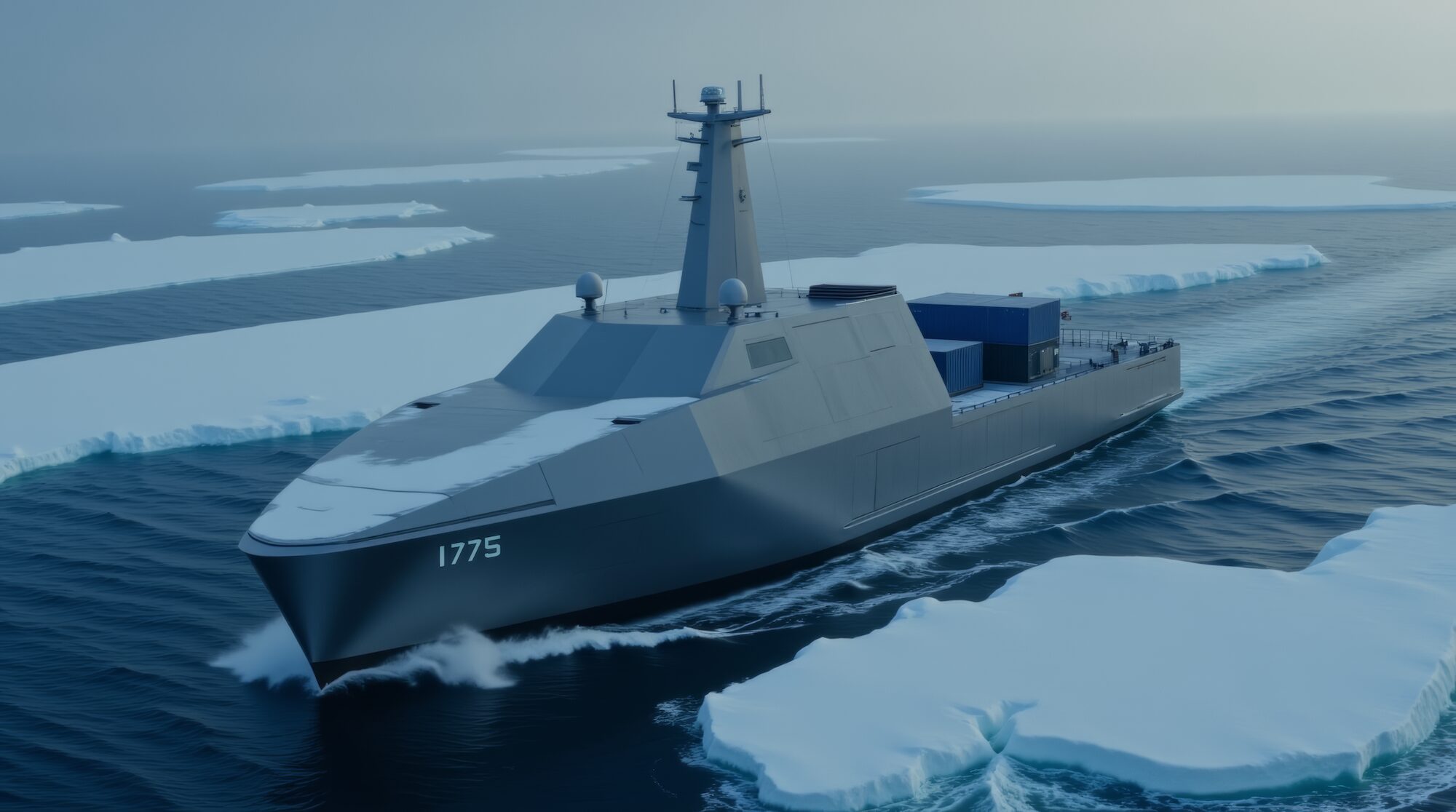
They aren’t just putting “autopilot” on existing boats. They are building a fleet of Autonomous Hulls: vessels designed from the ground up to operate in the harshest, most corrosive environment on Earth without a single human on board.
The Problem: The Crew Constraint
Traditional ship design is dictated by the needs of the humans inside it.
You have to build kitchens, sleeping quarters, HVAC systems, and life-support infrastructure. This makes ships massive, expensive, and structurally inefficient. Furthermore, the human element is the single greatest point of failure in maritime operations, leading to accidents, fatigue, and massive operational overhead.
If you want to scale a Ghost Fleet for defense or logistics, you can’t just slap a computer on a traditional boat. You have to delete the human requirement entirely.
The Playbook: Atoms vs. Salt
Building for the ocean is fundamentally different from building for the road. In the maritime world, the environment is your primary antagonist.
Engineering for Attrition
The ocean is a chemical soup that eats electronics and hardware. Scott N. Miller and Austin Gray leaned into heavy industrial systems engineering to focus on Hardened Atoms. Their vessels are designed with zero-maintenance propulsion systems and sealed-for-life electronics.
They realized that in the middle of the Pacific, there is no repair shop. The hardware must be as resilient as the software is intelligent.
The Autonomous Engine
By leveraging advanced computer vision and sensor fusion (Lidar, Radar, and Sonar), these vessels can navigate complex shipping lanes and avoid obstacles autonomously. This demands the same level of continuous visual processing that 12 Labs uses to teach AI to watch video.
But unlike a Tesla on a highway, these ships must also account for wave dynamics, current drift, and extreme weather patterns that can last for weeks.
Founder Lessons: The Frontier of Atoms
1. Delete the “Human” Requirement
Following The Algorithm, the most powerful move in maritime engineering is to delete the crew. By removing the need for cabins and kitchens, the ship becomes a pure functional tool: faster, stealthier, and 10x cheaper to manufacture and operate.
2. Solve the “Dull, Dirty, and Dangerous”
The best founders look for the jobs that humans no longer want to do. Rylan Hamilton, pulling from his deep automation expertise at 6 River Systems, targeted maritime patrolling and long-range logistics because they are the Final Boss of labor shortages. Just as Browserbase built the unsexy infrastructure for AI agents, Blue Water Autonomy is tackling the unglamorous reality of the ocean.
When you solve a problem that no one else is willing to touch, you create the market.
3. Resilience is a Software Feature
In hard tech, your software is only as good as the hardware’s survival rate. The founders understood that Autonomy isn’t just about steering; it’s about Self-Diagnostics. The ship must be smart enough to know when a seal is leaking or a motor is vibrating off-sync, and adjust its mission parameters accordingly.
Final Word
The era of the manned ocean is ending.
By building the Ghost Fleet, Scott, Austin, and Rylan are proving that the future of global trade and security isn’t just about better software. It’s about hardware that can survive the world’s most hostile environments without a human hand to guide it.

Tumisang Bogwasi
Tumisang Bogwasi is an award-winning entrepreneur and strategist sharing insights on business growth, leadership, and innovation.