The $3B Windsurf Pivot: Why Varun Mohan Killed a $2M Business Over the Weekend
Silicon Valley loves a success story. They love the myth of the visionary founder who had a perfect idea, wrote the code in a garage, and rode it straight to a billion-dollar valuation.
But anyone who has actually built a company knows that’s a lie.
Startups are not a straight line. They are a series of brutal, existential choices. And the hardest choice a founder will ever make isn’t deciding what to build. It is deciding what to kill.
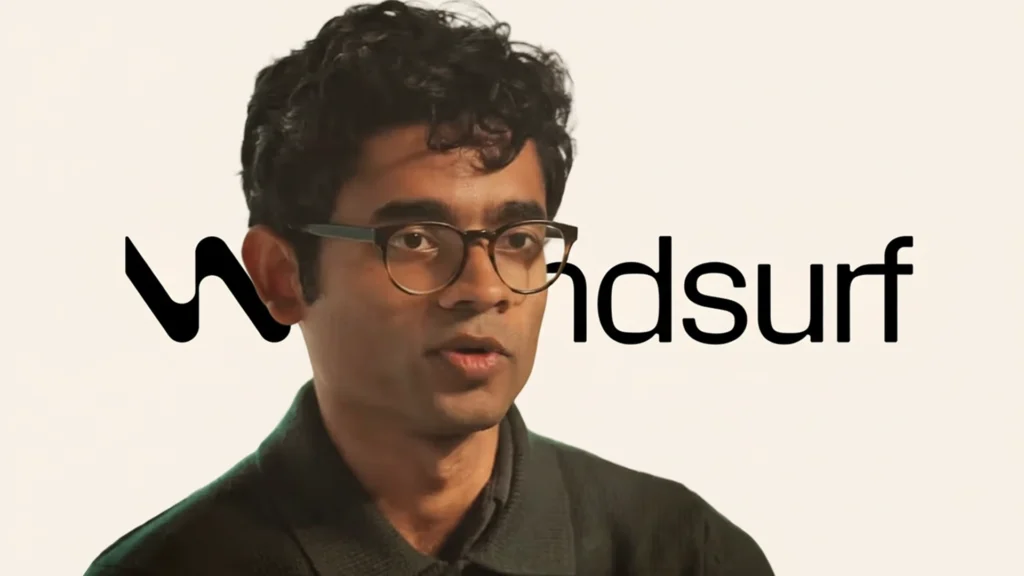
This is the story of Varun Mohan, the Co-Founder and CEO of Windsurf (Codeium), , and the weekend he decided to completely destroy his own $2 million business to chase what would become a $3 billion exit.

The Problem: The Sunk Cost Trap
In 2021, Varun and his team founded a company called Exafunction. Their goal was to virtualize GPU computations, essentially making it easier and cheaper for companies to run complex machine learning models.
By most metrics, they were winning. They raised $28 million. They hired a brilliant team of eight engineers. They successfully scaled the business to $2 million in annual revenue.
For 99% of founders, this is the dream. You have revenue. You have runway. You optimize the process and scale.
But Varun and his co-founder recognized a fatal flaw. In mid-2022, GPT-3.5 was released. They looked at the massive shift toward generative AI and realized a brutal truth: the infrastructure they were building would be commoditized. If everyone were to use transformer models, no one would need their own GPU virtualization platform.
They had built a “successful” business with a very low ceiling.
The Playbook: Intellectual Honesty
Varun has a cardinal rule for founders that explains everything that happened next:
“Don’t fall in love with your idea.”
When you have investors, employees, and millions in the bank, the pressure to maintain the status quo is immense. It is terrifying to tell your team that the thing they poured their blood, sweat, and tears into for a year and a half is fundamentally flawed.
Most founders will hold on. They will try to pivot slowly. They will try to protect the $2 million in revenue while building a side project.
Varun and his co-founder took a walk over the weekend. They realized that a startup can only do one thing well. If they split their focus, they would die.
So, they ripped the band-aid off.
On Monday morning, they walked into the office and told the team: Exafunction is dead. We are starting over from scratch today.
The Pivot: Building Windsurf
Because they were early adopters of AI tools, they realized the massive potential of AI in software development. They took their deep understanding of infrastructure and built an AI-powered IDE (Integrated Development Environment) called Windsurf.
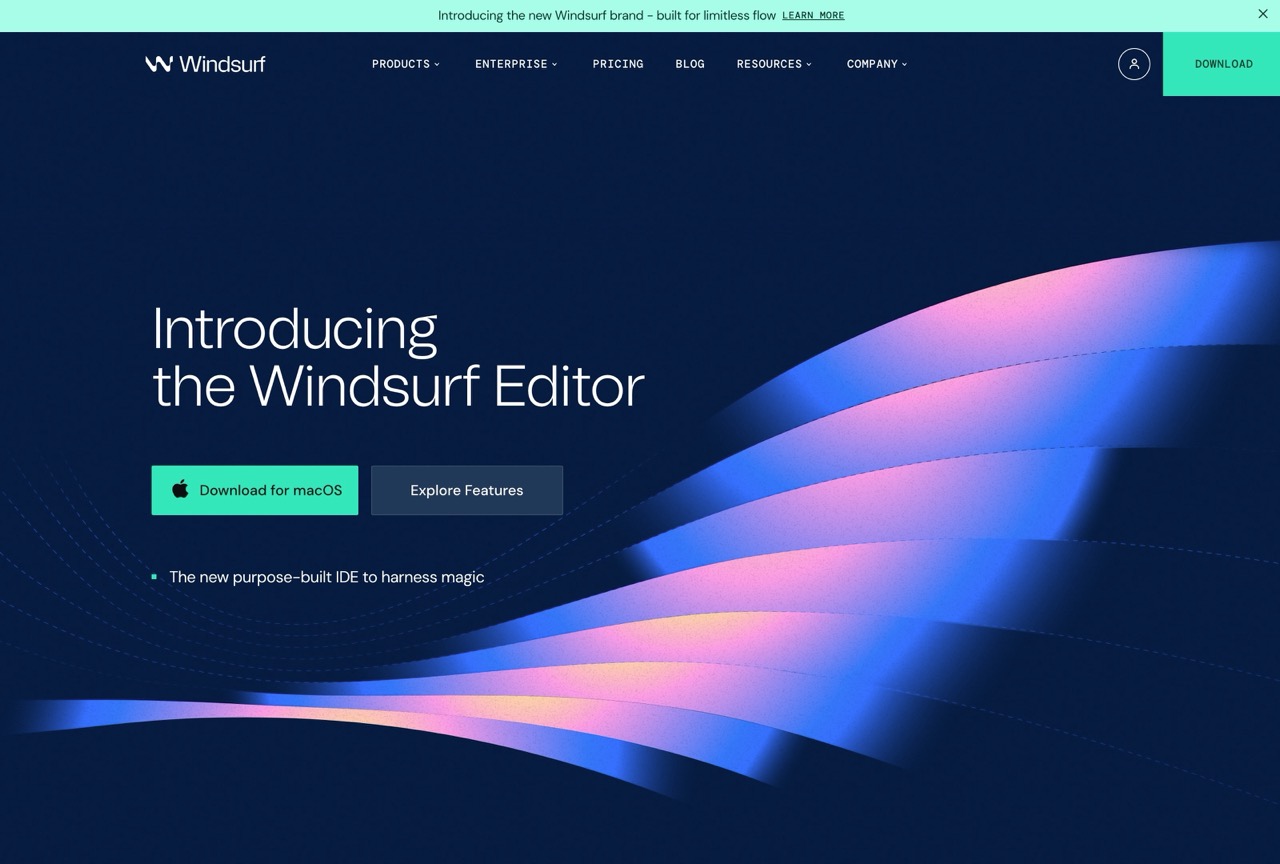
Instead of just building a basic autocomplete tool, they built agentic capabilities, an AI that can actually understand complex codebases, generate entirely new features, and act as an autonomous pair programmer.
The market response was violent. Because they killed the dying business instantly, they were able to deploy all their talent into the new vision.
Windsurf skyrocketed to between $82 million and $100 million in Annual Recurring Revenue (ARR). By early 2025, the company was valued at a staggering $3 billion by OpenAI.
Ultimately, this ruthless pivot led to one of the most fascinating exits in recent Silicon Valley history. In July 2025, Windsurf was partitioned in a complex series of deals involving OpenAI, Cognition AI, and Google. Google acquired the core IDE, and Varun Mohan joined the elite ranks of Google DeepMind.
Founder Lessons: The Gritty DNA
For those of us building businesses and constantly auditing our own strategies, Varun’s story provides the ultimate operational framework:
- Intellectual Honesty: You don’t win an award for doing the wrong thing longer. It doesn’t matter how much time, capital, or passion you invested in a product. If the market shifts and your premise is wrong, you must admit it immediately.
- Revenue Can Be a Trap: $2 million in revenue is a lot of money, but it is a rounding error if you are trying to build a generational company. Do not let “okay” revenue blind you to a fundamentally broken business model.
- The Real Moat is Agility: Tech startups constantly obsess over their “moat.” Varun realized that a 10-person company has no moat. The code isn’t the moat. The only true advantage a startup has is a team of brilliant people who are willing to pivot instantly and work on the right problem.
Final Word
We are entering an era of unprecedented technological speed. The founders who win the next decade won’t be the ones who cling to their original ideas. They will be the ones with the guts to look at a profitable, functioning business and say, “This isn’t good enough. Let’s burn it down and build something better.”

Tumisang Bogwasi
Tumisang Bogwasi is an award-winning entrepreneur and strategist sharing insights on business growth, leadership, and innovation.