The Garmin Pivot: How to Survive When Apple Enters Your Market
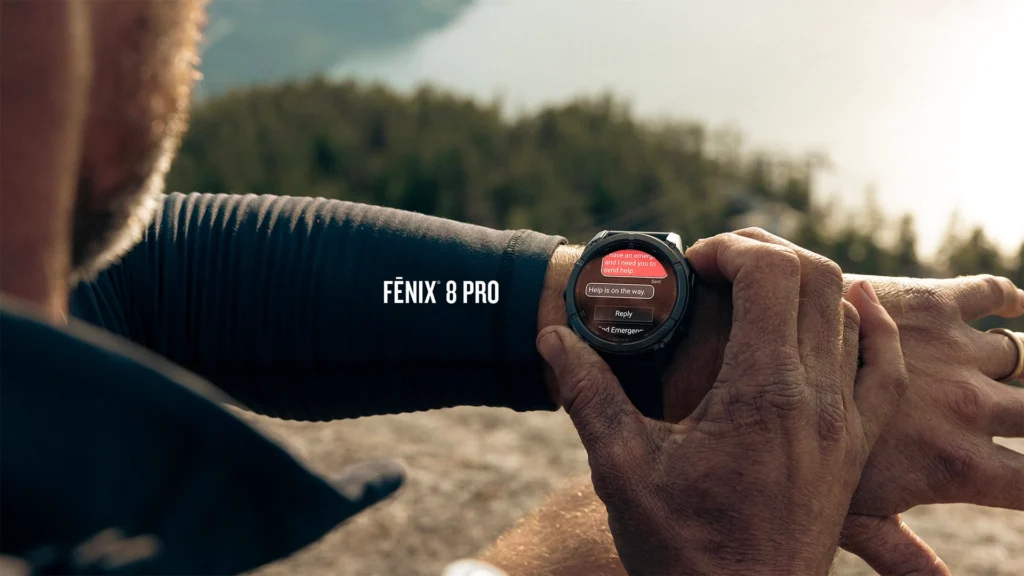
There is a terrifying moment in the lifecycle of a tech company. It is the day a trillion dollar giant decides to enter your specific market.
For most companies, this is a death sentence. When a behemoth with infinite capital and a massive existing user base launches a competing product, the incumbent usually gets crushed.
In the late 2000s, financial analysts declared that Garmin was officially a dead company. Garmin built their empire selling dashboard GPS units for cars. Then, Apple and Google put free, turn-by-turn navigation on every smartphone in the world. The dashboard GPS market collapsed overnight.
A few years later, Garmin tried to pivot to wrist wearables. Almost immediately, the Apple Watch launched. The media wrote Garmin’s obituary for a second time.
Yet today, Garmin is a multi-billion dollar juggernaut with stock prices hitting all-time highs. They did not just survive the Apple Watch. They thrived. To understand how to beat a giant, you have to look at the ultimate strategic pivot: The Anti-Apple Strategy.
The Pain Point: The Generalist Trap
When a giant like Apple enters your space, the absolute worst thing you can do is try to fight them on their own turf.
Apple builds “Generalist” products. The Apple Watch is designed to appeal to everyone. It checks your heart rate, plays music, answers text messages, and looks sleek in a corporate boardroom. Because it does a little bit of everything, it has a terrible battery life (requiring a daily charge) and is relatively fragile.
Most wearable startups tried to build a “better” Apple watch. They tried to compete on sleekness, app integrations, and touch screens. And they all died, because you cannot out-Apple Apple.
The Radical Story: The Extreme Niche Pivot
Garmin realized they could not win a feature war for the average consumer. So, they completely abandoned the mass market.
They looked at the inherent weaknesses of a generalist product like the Apple Watch. An Apple watch is useless if you are running a 100-mile ultra-marathon in the desert because the battery will die in 18 hours. It is useless if you are deep-sea diving. It is useless if you are an aviation pilot needing dedicated topographical radar.
Garmin stopped building “smartwatches” and started building Extreme Utility Tools.

They sacrificed a sleek, colorful touch screen for a dull, memory-in-pixel display that can be read in direct blinding sunlight. By killing the power-hungry touch screen, they extended their battery life from 18 hours to 30 days. They wrapped the watches in titanium.
Garmin explicitly decided to build products for the crazy 1%.
If you are an Ironman triathlete, you do not care if your watch can reply to a text message. You care that the GPS is perfectly accurate in the middle of a forest and the battery lasts for a month.
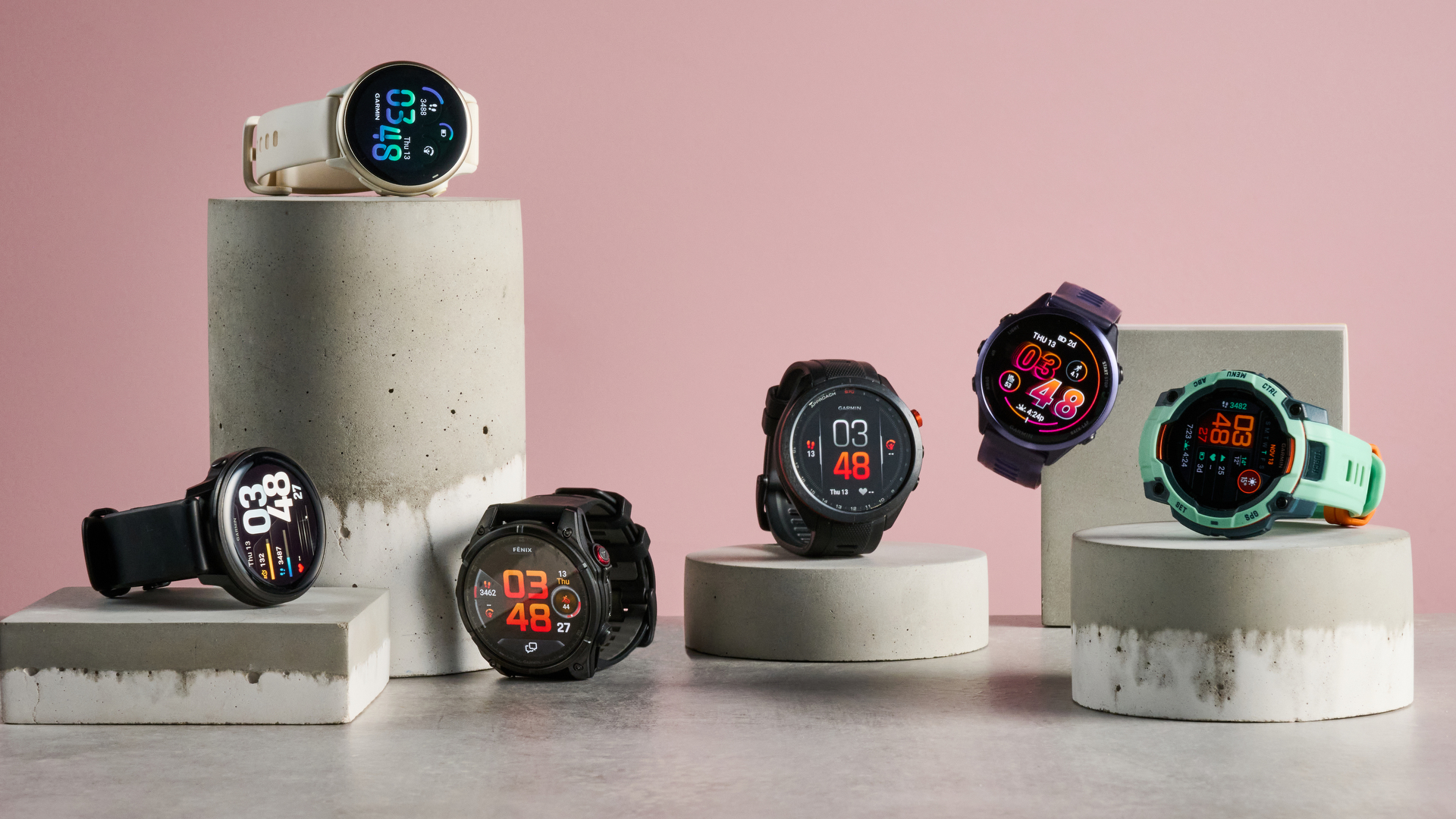
Because Garmin built highly opinionated software for a very specific, fanatic user base, they achieved massive pricing power. While Apple fights for the $399 mass market consumer, Garmin regularly sells their flagship Fenix and Epix models for $1,000 to $1,500.
The Founder’s Playbook: Niche Down to Blow Up
If a massive competitor enters your market with a cheaper, generalist product, do not panic. Use the Garmin playbook to pivot and protect your margins.
- 1. Identify the Giant’s Blind Spot: A generalist product must compromise to appeal to the masses. Apple had to compromise on battery life to get a beautiful screen. Find the exact compromise your massive competitor made, and build your entire product around fixing it.
- 2. Abandon the Middle: The middle of the market is a bloodbath. You cannot survive by being slightly cheaper or slightly sleeker than the incumbent. You must retreat to the edges. Build something so aggressively tailored to a specific niche that it alienates the average user.
- 3. Charge a Cult Premium: When you solve a severe, highly specific problem for a dedicated group of people, price sensitivity vanishes. An ultra-marathoner does not compare a $1,000 Garmin to a $399 Apple Watch. They view the Garmin as essential survival gear, and they gladly pay the premium.
You do not need to appeal to everyone to build an empire. Let the giants fight over the generalists. You will make your fortune serving the extremists.

Tumisang Bogwasi
Tumisang Bogwasi is an award-winning entrepreneur and strategist sharing insights on business growth, leadership, and innovation.