The SpaceX Mafia: How the World’s Hardest Company Built a $10.6B Founder Network
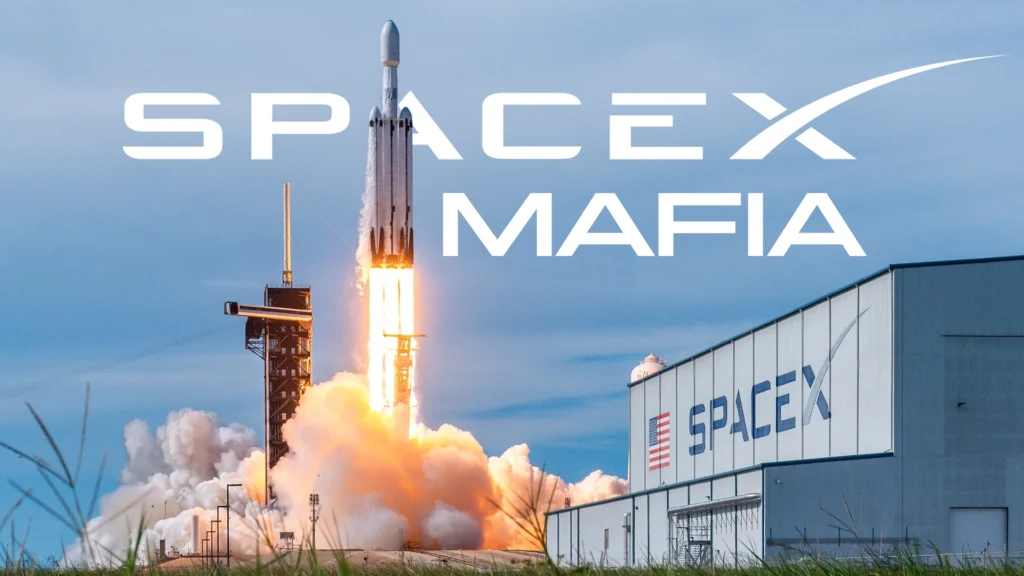
For the last twenty years, Silicon Valley has obsessed over the “PayPal Mafia.”
When eBay bought PayPal in 2002, its founders and early employees dispersed to build the next generation of digital monopolies. Elon Musk, Peter Thiel, Reid Hoffman, and Max Levchin went on to create Tesla, Palantir, LinkedIn, and Yelp.
They built the infrastructure of the Internet. But the internet is no longer the final frontier.
Today, a new network has quietly taken over the venture capital ecosystem. They are not building B2B SaaS or social networks. They are building nuclear reactors, hypersonic jets, autonomous weapons, and orbital factories.
They are the SpaceX Mafia.
And they are proving that the greatest product Elon Musk ever built wasn’t a reusable rocket. It was a forging ground for the grittiest founders on Earth.
The Origin: Optimism and Naivety
The DNA of the SpaceX Mafia was set in 2002, before the company even officially existed.
Elon Musk walked into a Los Angeles warehouse and found Thomas Mueller, an aerospace engineer, hoisting an 80-pound rocket engine over his shoulder. Mueller was building rockets on the weekends for an amateur club because his day job at a massive defense contractor moved too slowly.
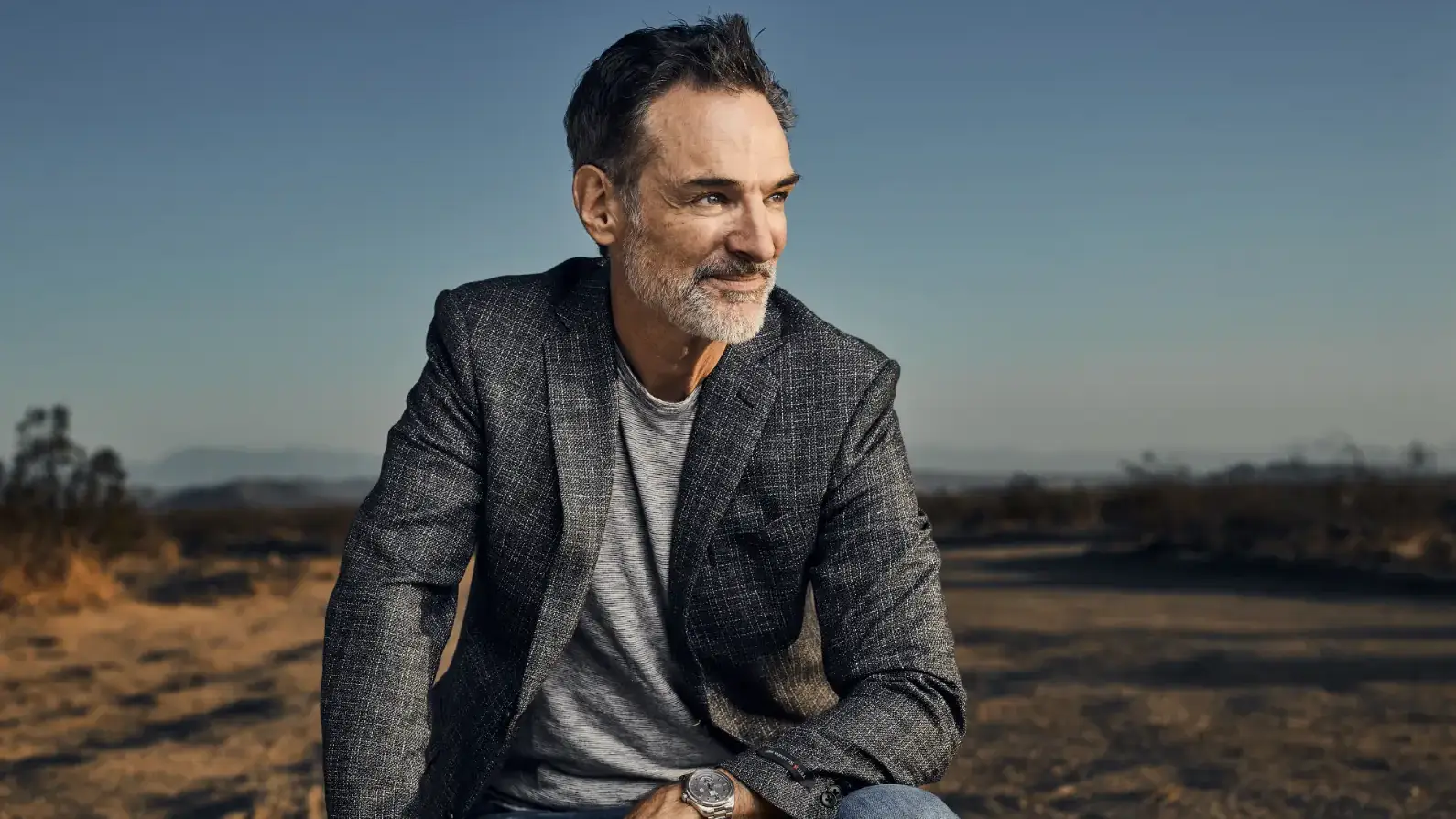
Musk started firing questions. What’s the biggest engine you’ve ever worked on? Could you build one from scratch for me?
Mueller said yes, even though he knew the realistic answer was no.
“That was the optimism and the naivety that Elon wanted to see, because that’s the way he was, too,” Mueller recalled. Mueller became Employee #1. Together, they built the Merlin engine, the powerhouse behind the Falcon 9 and the catalyst for a $200+ billion company.
The Crucible: The 5-Step Algorithm
SpaceX is famously one of the most difficult places to work in the world. But it is not just hard for the sake of being hard. It is an operational crucible.
Engineers at SpaceX are trained under Musk’s ruthless 5-Step Algorithm: Question every requirement, delete every useless process, and never optimize a part that shouldn’t exist.

When you spend years operating in an environment where the laws of corporate bureaucracy are replaced by the laws of physics, you become ruined for normal jobs. You realize that if a small team can land a 15-story rocket on a drone ship in the middle of the ocean, building a traditional software company is actually quite boring.
The Output: The Hard Tech Insurgency
When these engineers eventually leave SpaceX, they don’t go build consumer apps. They attack the hardest physical bottlenecks in the global supply chain.
According to tracking data, SpaceX alumni have founded 141 new companies. Together, they have raised over $10.6 Billion in venture capital.
The list of “Unicorns” (companies valued at over $1 Billion) spawned from this network is staggering:
- Relativity Space ($6B): 3D-printing entire rockets.
- Firefly Aerospace ($3B): End-to-end space transportation.
- Castellion ($2.8B): Next-generation defense and missile manufacturing.
- Impulse Space ($1.8B): Founded by Thomas Mueller himself, building orbital transfer vehicles to move cargo in space.
- Hermeus ($1B): Building hypersonic aircraft to commercialize Mach 5 travel.
Founder Lessons: The Talent Infrastructure
Most leaders look at employee turnover as a failure. The SpaceX Mafia proves that if you build a company with uncompromising standards and an aggressive mission, employee turnover actually becomes your legacy.
When you hire for gritty DNA and demand Intellectual Honesty, your company stops being just a business. It becomes an academy.
If you want to build a generational company, you must create a culture so intense and capable that the people who eventually leave your ranks go on to reshape the world.
Final Word
The era of the “software only” founder is ending. The next trillion dollars in market cap will be created by founders who are not afraid to get their hands dirty with atoms, physics, and heavy manufacturing.
If you want to see what the future of global infrastructure looks like, don’t look at what the software engineers are building. Look at what the rocket scientists are building in their garages on the weekends.

Tumisang Bogwasi
Tumisang Bogwasi is an award-winning entrepreneur and strategist sharing insights on business growth, leadership, and innovation.