The Paystack Mafia: Building the Infrastructure of a Continent
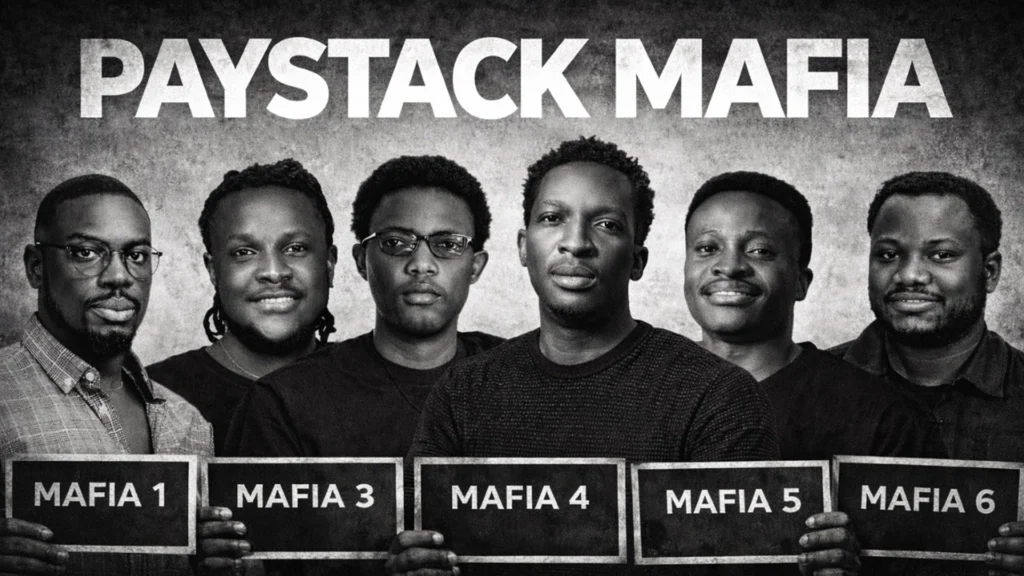
In 2002, the PayPal Mafia reshaped Silicon Valley. In 2024, the SpaceX Mafia is reshaping Hard Tech.
But there is a third, equally lethal network emerging from a place most Silicon Valley investors ignored for decades: Lagos, Nigeria.
They are the Paystack Mafia.
And they are proving that when you build a company in one of the most difficult operating environments on Earth, you don’t just produce a product. You produce an elite special forces unit of founders.
The Origin: Solving the “Trust Gap”
In 2015, Shola Akinlade and Ezra Olubi founded Paystack to solve a problem that was strangling the African digital economy: payments.
At the time, accepting money online in Nigeria was a nightmare of unstable networks, strict regulations, and zero consumer trust. Most founders would have looked at the friction and quit. Shola and Ezra looked at the friction and saw a blueprint for infrastructure.
They didn’t just build a gateway; they built the plumbing for a continent.
By 2018, Paystack was processing 15% of all online transactions in Nigeria. In 2020, Stripe acquired them for $200 million, the largest tech acquisition in Nigerian history at the time.
The Diaspora: From One Company to an Ecosystem
Just like PayPal and SpaceX, the real story of Paystack began after the acquisition.
The early employees didn’t retire. They took their operational scar tissue and began building the next layer of the African economy.
At least 14 high-growth startups have already emerged from the Paystack alumni network, raising over $50 million in venture capital.
The “Mafia” is building the essential infrastructure that Africa needs to scale:
- Mono: Founded by Abdulhamid Hassan, building the “Plaid of Africa” for open banking.
- Grey: Founded by Idorenyin Obong, providing digital foreign accounts for African remote workers.
- Brass: Founded by Sola Akindolu, building a digital bank for SMEs.
- Chowdeck: A logistics and food delivery giant processing over 1 million orders per month.
- Start Button: Solving cross-border compliance for African startups.
Founder Lessons: Building in the “Hard Mode”
The Paystack Mafia is successful because they were trained in “Hard Mode.” Their DNA offers three critical lessons for any business owner:
- Hire for Potential, Not Pedigree: In the early days, Shola and Ezra couldn’t hire Ivy League grads. They hired gritty engineers from local universities and gave them massive ownership. They proved that talent isn’t the bottleneck; opportunity is.
- The “Ownership” Academy: Paystack employees weren’t just executing tasks; they were learning how to run a company in a high-friction environment. When you give people real autonomy to solve broken systems, you are accidentally training them to be founders.
- Build for Multiplication: The greatest founders don’t just build for growth; they build for multiplication. Shola and Ezra didn’t resist when their best talent left to start new companies; they invested in them. They realized that a thriving ecosystem is more valuable than a single dominant player.
Final Word
We are entering a decade where the most valuable tech won’t be built in comfortable offices in Palo Alto. It will be built in the high-friction “frontier markets” where founders are forced to be grittier, faster, and more efficient by necessity.
The Paystack Mafia is the new gold standard for infrastructure building. They didn’t wait for the environment to get easier. They built the tools to make the environment irrelevant.

Tumisang Bogwasi
Tumisang Bogwasi is an award-winning entrepreneur and strategist sharing insights on business growth, leadership, and innovation.