Why Ryanair is the Most Profitable (and Hated) Airline
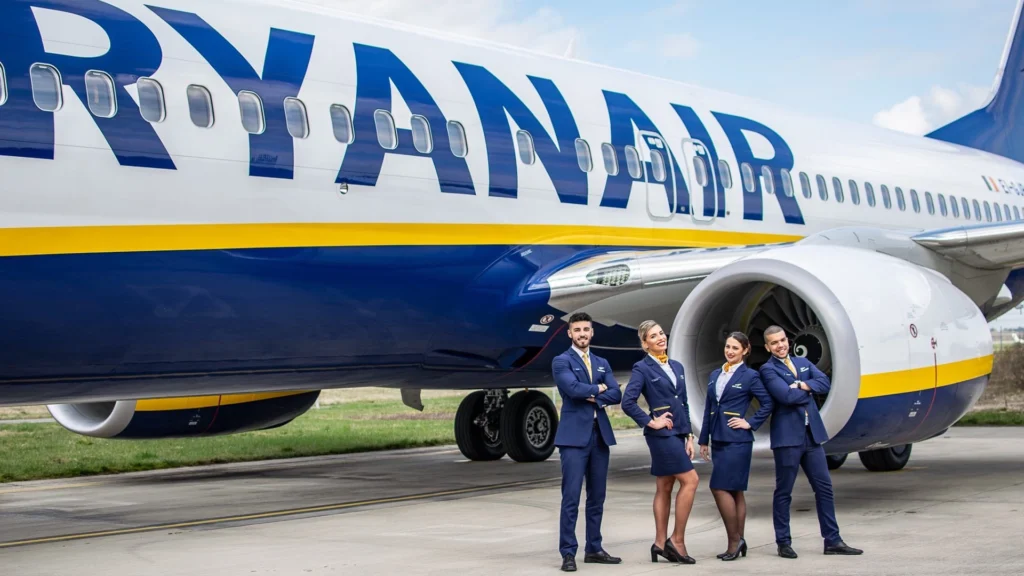
If you ask the average consumer what they think of ultra-low-cost airlines like Ryanair, they will likely complain. They will tell you the seats are uncomfortable, the fees are ridiculous, and the customer service is practically non-existent.
If you ask a Wall Street analyst what they think of Ryanair, they will tell you it is one of the most brilliant, financially resilient business models in modern history.
Consumers claim they want a premium experience. But when it is time to pull out their credit cards, they vote for the absolute cheapest option.
Ryanair built a multi-billion-dollar empire by embracing this exact paradox. They stopped trying to sell a premium experience and mastered the art of Unbundling.
By stripping their product down to the bare atoms, they engineered a margin machine that allows them to survive economic crises that bankrupt legacy competitors.
The Pain Point: The Premium Trap
Most businesses assume that adding features is the best way to justify a high price.
Legacy airlines operate on this bundled model. When you buy a ticket on a traditional airline, you are not just buying a flight. You are buying the ability to bring a suitcase, a “free” soda, a slightly reclining seat, and the overhead cost of maintaining airport lounges.
The problem with the bundled model is that it destroys your profit margins. You are forced to bake the cost of all those “perks” into the base price of the product. When macroeconomic shocks hit the market (like a sudden jet fuel crunch), those bloated, bundled costs become a fatal liability.
You cannot pivot fast enough because your customers expect the premium perks.
The Radical Story: The Art of Unbundling
Ryanair CEO Michael O’Leary realized that the vast majority of travelers do not actually care about free pretzels. They just want to get from London to Rome for $20.
So, Ryanair unbundled the airline ticket.
The core product is simply a seat on a plane. That is all you buy. Often, Ryanair sells that base ticket at a loss. But they make up for it through Ancillary Revenue.
Once the base product is stripped down, every single additional request becomes a high-margin upsell.
- Want to bring a carry-on bag? That is a fee.
- Want to choose your seat? That is a fee.
- Want water on the flight? That is a fee.
- Forgot to print your boarding pass? That is a massive fee.
By unbundling the product, Ryanair isolates the exact features that customers value and charges a premium for them. This creates astronomical profit margins on the “extras,” insulating the company from the high operational costs of the core flight.
The Founder’s Playbook: Engineering Margin
You do not need to run an airline to use this strategy. Software companies, retail brands, and B2B agencies can all use the Unbundling Playbook to drastically increase their profit margins.
1. Strip the Core Product: Look at your main offering. What are the “free perks” you are throwing in just to be nice? Strip them out. Drop your base price to aggressively acquire customers, and turn those perks into high-margin upsells.
2. Charge for Friction: Customers will gladly pay to remove friction. If your base software product requires manual data entry, offer an “Automated Sync” add-on for an extra $50 a month. You aren’t punishing the user; you are allowing them to customize their own price point based on how much convenience they desire.
3. Ruthless Operational Discipline: Unbundling only works if you are willing to cut the dead weight. Right now, Ryanair is actively axing routes to 19 different airports because they refuse to subsidize unprofitable operations. This ruthless discipline gives them the cash reserves to survive a jet fuel crisis while weaker, bloated competitors face bankruptcy.
Stop trying to give your customers everything for one flat price. Sell the core, and upsell the convenience.

Tumisang Bogwasi
Tumisang Bogwasi is an award-winning entrepreneur and strategist sharing insights on business growth, leadership, and innovation.