Why Red Bull Does Not Actually Make Red Bull
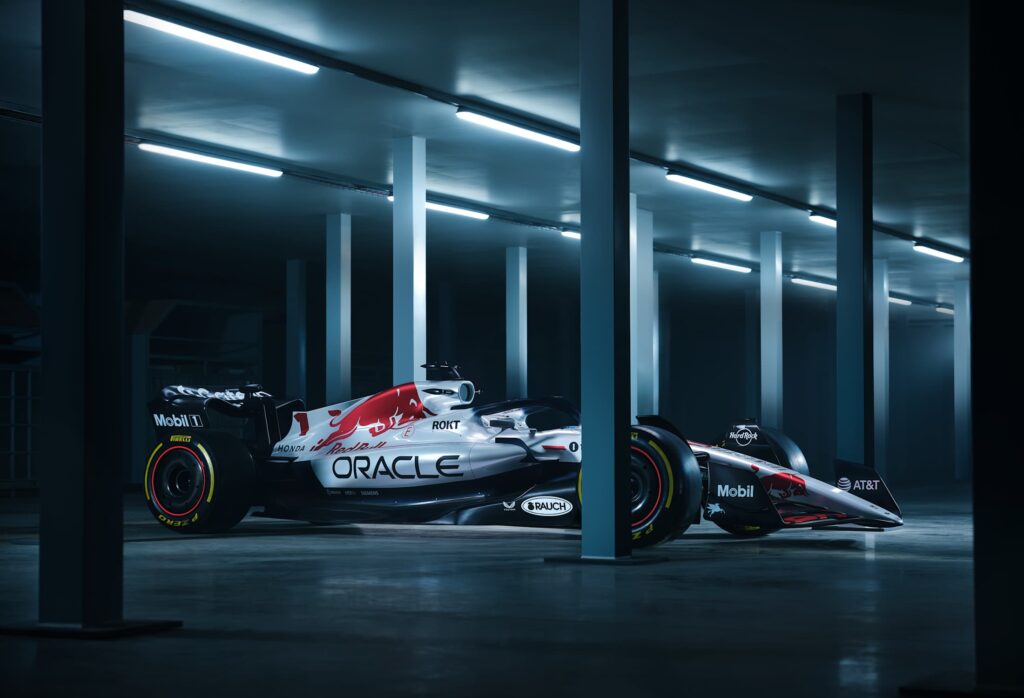
If you look at the balance sheet of the world’s most famous energy drink company, you will notice something incredibly strange. They do not own any manufacturing facilities for their core product.
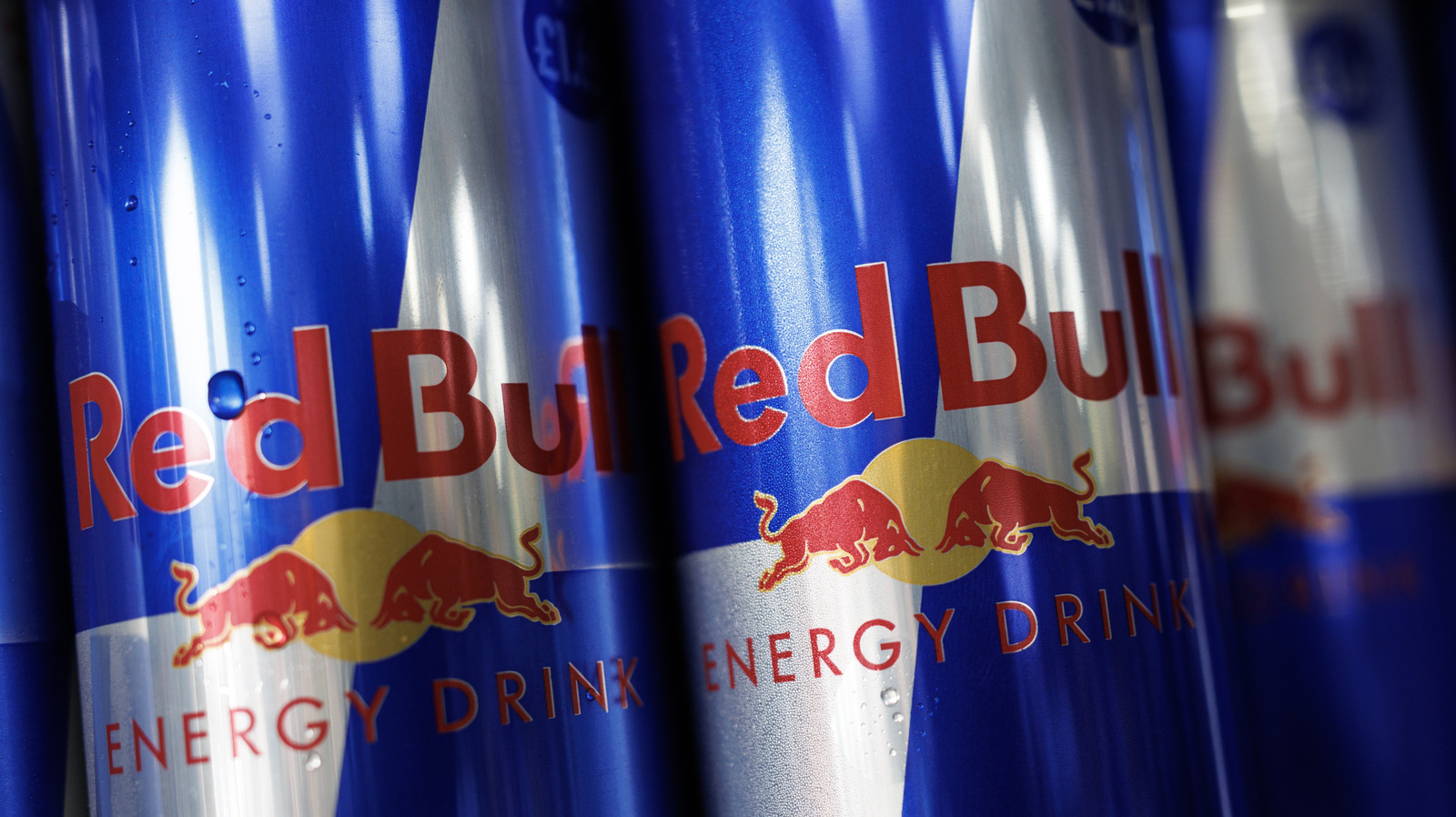
Red Bull sells billions of cans a year, but they do not actually manufacture a single drop of the liquid inside them. They completely outsource the physical production, canning, and logistics to a third-party company in Austria.
If they do not make the drink, what exactly does Red Bull do?
Red Bull is not a beverage company. They are a massive, global sports media and marketing empire. They just happen to monetize their massive audience by selling them a canned beverage. To understand how to build an unbreakable brand, we have to look at the genius of Asset-Light Operations.
The Manufacturing Trap
When founders build a physical product, their first instinct is usually to own the entire supply chain. They want to own the factory, buy the trucks, and manage the warehouse.
This is the Manufacturing Trap.
Physical manufacturing is an incredibly low-margin, high-stress business. It requires massive Capital Expenditure (CapEx). When you own the factory, your cash is tied up in depreciating physical assets. If the economy slows down or consumer demand shifts, you are still stuck paying for a massive empty warehouse and millions in factory equipment.
As we saw with the A24 Anti-Blockbuster strategy, tying up all your capital in heavy production costs destroys your ability to take creative risks.
The Radical Story: The Asset-Light Empire
When Dietrich Mateschitz founded Red Bull in 1987, he realized that brewing a caffeinated syrup was not a competitive advantage. Anyone could brew syrup. The actual value was in the brand identity.

So, he made a brilliant operational decision. He outsourced 100% of the physical manufacturing to Rauch (an Austrian bottling company).
By outsourcing the heavy lifting, Mateschitz kept his company Asset-Light. He took all the capital that a normal beverage company would have spent on buying factories, and he poured it entirely into marketing and media.
Red Bull buys Formula 1 racing teams. They sponsor extreme sports athletes. They literally dropped a man from the edge of space in a helium balloon just to put their logo on his parachute.
They operate one of the most sophisticated media houses on earth. Because they are not burdened by the overhead of physical factories, their profit margins are structurally closer to a high-end software company than a traditional food and beverage brand.
The Founder’s Playbook: Outsource the Atoms, Own the Bits
You do not need to drop a man from space to use this playbook. Whether you run an e-commerce brand or a B2B SaaS company, the Asset-Light strategy allows you to scale with terrifying speed.
Here is the Media Company Playbook:
- 1. Outsource the Commodity: Look at your business operations. What is the low-margin, heavy-lifting aspect of your fulfillment? If someone else can do it cheaper and faster, outsource it. Unlike TSMC, which built a moat through massive physical scale, consumer brands should avoid heavy physical assets whenever possible.
- 2. Hoard the Margin: What is your actual competitive advantage? For most companies, it is Brand, Distribution, or Proprietary Data. Protect these assets at all costs. Outsource the atoms (the physical product) and fiercely own the bits (the intellectual property and the audience).
- 3. Become a Media Company: The cost of acquiring a customer through traditional ads is skyrocketing. The only way to survive is to build your own audience. Stop running generic Facebook ads. Start acting like a media publisher in your specific niche. Create content so engaging that people consume it for fun, and monetize that attention on the backend.
The most profitable companies of the future will not own factories. They will own attention.

Tumisang Bogwasi
Tumisang Bogwasi is an award-winning entrepreneur and strategist sharing insights on business growth, leadership, and innovation.