For the last decade, the tech world has been obsessed with “asset-light” businesses.
Venture capitalists love software companies because you don’t need to build factories, buy delivery trucks, or manage physical supply chains. You just write code, spin up an AWS server, and scale globally with 90% gross margins.
But there is a fatal flaw in the asset-light dream: If it is incredibly cheap for you to build your business, it is incredibly cheap for a competitor to clone it.
When the barrier to entry is zero, competition is infinite.
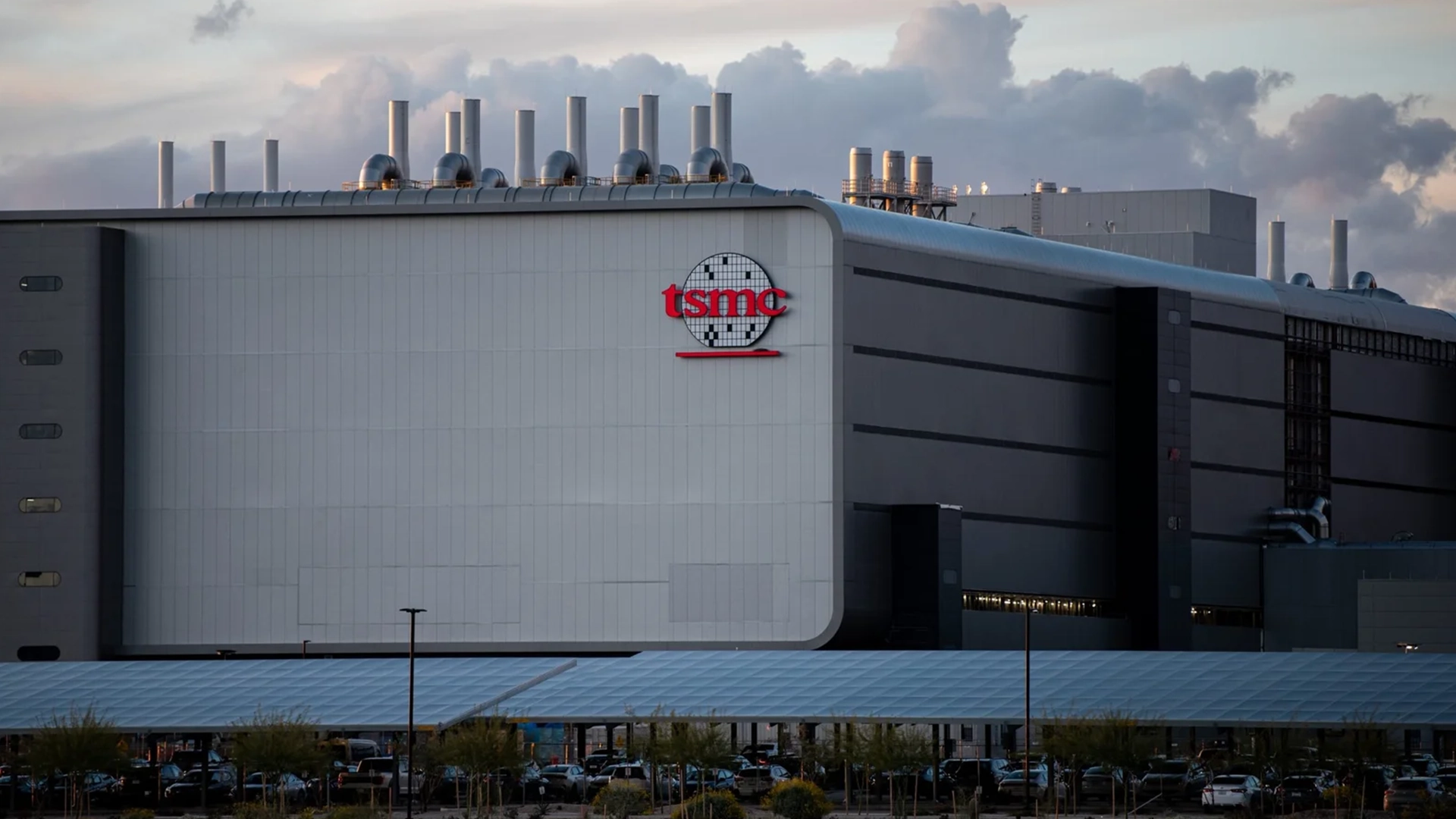
To understand how to build a truly impenetrable business, we have to look away from the asset-light software world and study the heaviest, most capital-intensive company on earth. We have to study Taiwan Semiconductor Manufacturing Company (TSMC) and the power of the Scale Moat.
The Pain Point: The Vulnerability of “Asset-Light”
Today, building software is practically free. With the rise of AI coding assistants and no-code platforms, a highly motivated teenager in a basement can clone the core functionality of your $10 Million SaaS startup in a weekend.
If your only competitive advantage is your code, you have no moat.
You will spend your entire life fighting off cheaper competitors, dealing with feature bloat, and fighting a race to the bottom on pricing. While building high switching costs (like the Oracle Trap) is an excellent defense for software, physical industries require a different weapon entirely: Capital Expenditure (CapEx).
If you can build a business that requires an astronomical amount of money and infrastructure just to compete with you, you effectively outlaw competition.
The Radical Story: TSMC’s CapEx Weapon
Look at the device you are reading this on. Whether it is an iPhone, a Mac, or a high-end Android, the microchip powering it was almost certainly manufactured by one company: TSMC.
TSMC is the single point of failure for the global tech economy. They manufacture the advanced chips needed for Apple, Nvidia, and the AI hardware revolution.
How did one company achieve a functional monopoly over global technology? Brutal, unrelenting scale.
TSMC spends roughly $52 -$56 Billion every single year on Capital Expenditure (building new factories and buying extreme ultraviolet lithography machines).
If a brilliant group of engineers wants to launch a startup to compete with TSMC, they don’t just need a good pitch deck. They need $50 Billion just to pour the concrete for their first factory. And by the time that factory is built 5 years later, TSMC has already spent another $250 Billion moving to the next generation of microchips.

Even tech giants like Intel, with massive legacy resources, have fundamentally failed to keep pace with TSMC’s manufacturing precision and scale.
TSMC has weaponized Capital Expenditure. They have made the financial barrier to entry so catastrophically high that the rest of the world simply gave up and decided to outsource their manufacturing to them.
The Founder’s Playbook: Engineering a Scale Moat
You do not need $50 Billion to utilize this strategy. The Scale Moat works at any level of business. It simply requires you to do the hard, expensive, physical things that your competitors are too lazy or too “asset-light” to do.
Here is the Moat Builder’s Playbook for Scale:
- 1. Weaponize Hard Assets: If your competitors are entirely digital, buy physical assets. If you are an e-commerce brand, don’t just dropship like everyone else.
Build your own warehouse. Own the logistics. When supply chain chaos hits, the dropshippers will die, and your physical moat will save you.
- 2. The Reinvestment Treadmill: A Scale Moat only works if you never stop spending. You must take your profits and immediately reinvest them into heavier machinery, better infrastructure, or exclusive data rights.
Make it so expensive to catch up to you that competitors look at your balance sheet and surrender.
- 3. Embrace the “Low Margin” Offense: Sometimes, the best defense is operating at a scale where margins are thin, but volume is massive (similar to Amazon).
If you build a massive infrastructure that allows you to operate profitably on a 5% margin, you starve out any new entrant who needs a 30% margin to survive.
Don’t be afraid of heavy assets. While everyone else is trying to build a lightweight app, go build a factory. Concrete is a lot harder to copy than code.


[…] May I wrote about TSMC’s 30 billion dollar moat and how capital intensity made it unassailable. That piece answered how TSMC built the […]