The Speed Moat: How Zara Broke the Rules of Supply Chain
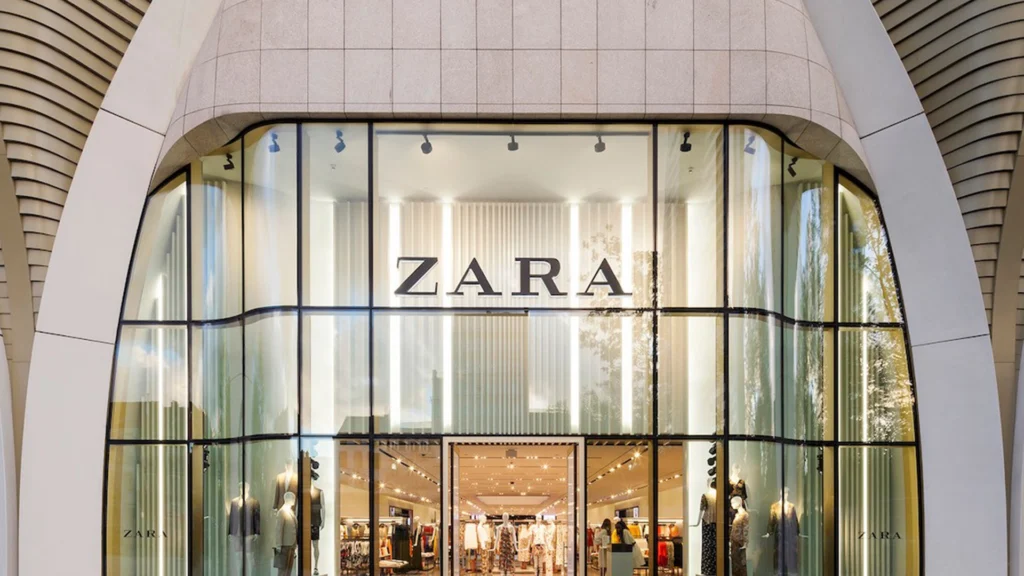
The fashion industry has historically operated on a rigid, six-month calendar. Brands attempt to forecast what consumers will want to wear half a year in the future. They design the clothes, manufacture them cheaply in massive quantities overseas, and ship them to retail stores.
This model relies entirely on prediction. When the prediction is wrong, the business is left with millions of dollars in unsold inventory. This forces massive discount sales, which destroy profit margins and cheapen the brand.
Zara, owned by the Inditex group, realized that predicting consumer behavior is impossible. Instead of trying to become better at forecasting, they built a business model entirely around operational speed.
Reacting Instead of Predicting
Zara does not predict trends; it reacts to them. Their entire operational framework is designed to shorten the time between spotting a trend and placing that item on a store shelf.
When a new style gains traction, Zara can design, manufacture, and distribute a new garment to its global stores in as little as 14 days. This extreme agility completely eliminates the need for long-term forecasting.
They achieve this by breaking the traditional rules of manufacturing.
First, they rely on Proximity Manufacturing. While competitors manufacture in Asia to chase the lowest possible labor costs, Zara keeps the majority of its production close to home in Spain, Portugal, and Morocco.
Second, they utilize Vertical Integration. Zara owns its supply chain. They control the fabric dying, the cutting, and the logistics. This removes third-party bottlenecks.
Finally, they use Small Batch Production. Zara produces items in strictly limited quantities. If an item sells out, it is gone. This creates artificial scarcity and trains customers to buy immediately rather than waiting for a sale.
The Cost of Speed vs The Cost of Waste
Traditional business metrics would suggest Zara is making a massive mistake. Manufacturing in Europe is significantly more expensive per unit than manufacturing in Asia.
However, Zara understands a fundamental truth about retail. The cost of unsold inventory is far higher than the cost of local labor.
Because Zara produces in small batches and reacts in real-time, they sell the vast majority of their inventory at full retail price. Competitors who manufacture cheaply overseas often have to discount up to half of their inventory just to clear shelf space. Zara sacrifices per-unit manufacturing margins to protect their ultimate net profit.
They realized that in modern business, speed is the ultimate defensive moat.
The Founder’s Playbook: Optimizing for Agility
How can you apply the Zara speed moat to your own operations?
- 1. Optimize for Agility over Cost: Do not automatically choose the cheapest vendor if it costs you weeks of operational delay. Sometimes paying a premium for speed yields a higher net margin by reducing waste and missed opportunities.
- 2. Test in Small Batches: Before committing massive capital to a new initiative, launch a minimal version. See how the market reacts. If it fails, you fail cheaply. If it succeeds, scale it immediately.
- 3. Shorten the Feedback Loop: Zara store managers report customer feedback directly to designers daily. You need a system that captures real-world data and feeds it straight to your product team without bureaucratic friction.
Just like we saw with SpaceX leveraging patient capital, Zara proves that doing the opposite of the industry standard is often the most profitable path.

Tumisang Bogwasi
Tumisang Bogwasi is an award-winning entrepreneur and strategist sharing insights on business growth, leadership, and innovation.