Opinionated Software: Why the Best Founders Fire Their Customers
There is a fatal cycle that destroys great SaaS products. It usually starts when a company is trying to move upmarket to close Enterprise deals.
The Sales Director gets a massive, $100,000 contract on the hook with a Fortune 500 company. But the client has a catch: “We will sign today, but only if you build this one custom feature specifically for our workflow.”
The Founder caves. The Engineering team drops what they are doing to build the custom feature. The deal closes. Everyone celebrates.
Six months later, another Enterprise client demands a different custom feature. The Founder caves again.
Fast forward three years: Your product is no longer a sleek, fast, intuitive tool. It is a bloated, complex “Frankenstein” of competing features. It takes weeks to onboard a new user. The product is slow. Your core customers start leaving for a simpler competitor.
You tried to please everyone, and you ended up pleasing no one.
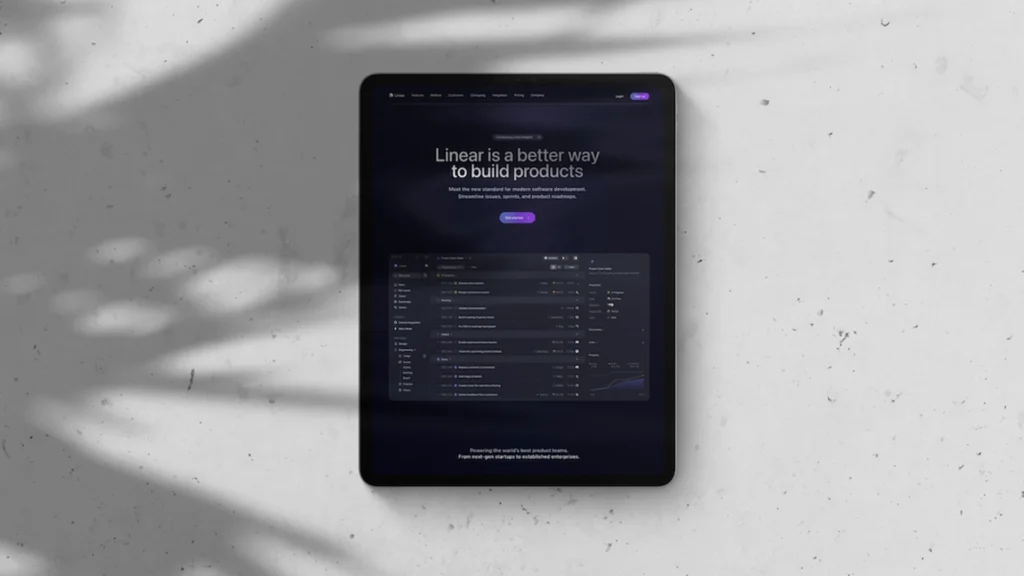
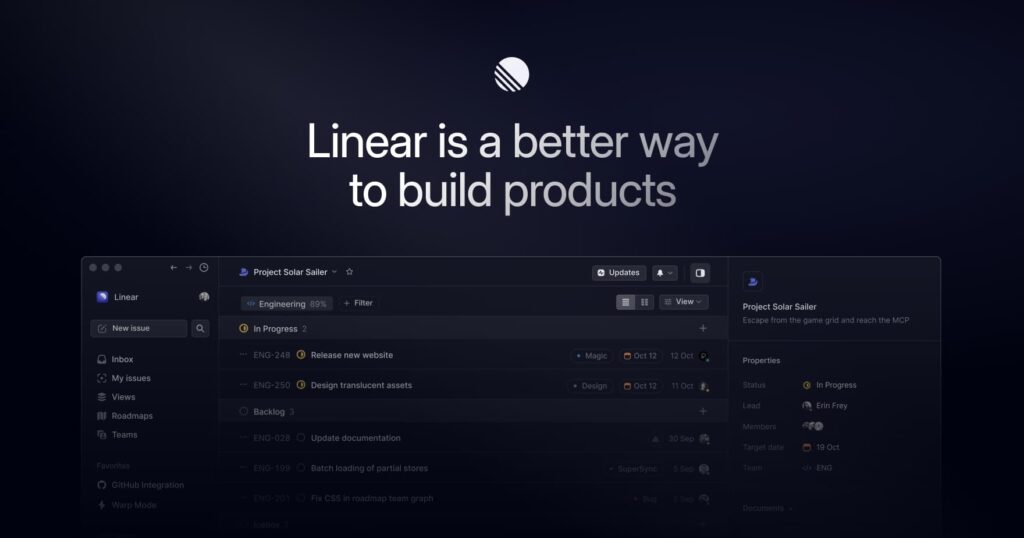
To solve this, we must look at the radical product philosophy of Linear, the elite project management tool used by top-tier startups.
The Pain Point: The “Frankenstein” Product
When you let the Sales team dictate the Product roadmap, you forfeit your company’s vision.
The customer is not always right about product design. Most enterprise customers have terrible, bloated, bureaucratic workflows (the exact kind of bureaucracy Brian Chesky had to blow up at Airbnb).
If you agree to build custom features to match their terrible workflows, you are just hard-coding their dysfunction into your software. You are importing their bureaucracy into your product.
The Radical Story: Opinionated Software
Linear took a completely different approach. They refuse to be a “blank canvas” like Notion or Jira, where users can build thousands of chaotic, customized workflows.
Linear builds Opinionated Software.
“Opinionated” means the software has a strict point of view on how work should be done. Linear enforces a specific, high-velocity methodology. If a massive enterprise client asks Linear to build a custom feature that violates that methodology, Linear says no.
They actively refuse to bend the software to the user’s bad habits. Instead, they force the user to adopt the software’s good habits.
This requires immense discipline. It means having the courage to look a $100k Enterprise contract in the eye and say, “No, we aren’t building that. If you want a bloated workflow, go use our competitor.”
By rejecting the custom feature requests, Linear protects the speed, simplicity, and elegance of the core product for the other 10,000 users. Sometimes, the best way to grow is to fire your bad customers.
The Founder’s Playbook: Protecting the Core
If your product is getting bloated and your engineering team is drowning in custom requests, it is time to pivot to the Opinionated Playbook:
1. Define Your “Opinion”: What is your company’s core philosophy on how work should be done? If you build accounting software, do you believe accounting should be complex and deeply customizable, or automated and invisible? Define the opinion, and reject any feature request that violates it.
2. Stop Building for the 1%: If a feature is only going to be used by one massive enterprise client, do not build it into the core product. You are taxing 99% of your user base with a clunky UI just to appease the 1%.
3. Fire Bad Customers: The hardest test of a Founder is walking away from revenue. If a potential client demands that you ruin your product’s simplicity to win their business, they are a bad customer. Fire them before they sign the contract. Let your competitors win the bad customers.
Simplicity is not the absence of features. Simplicity is the courage to fire the wrong customers.

Tumisang Bogwasi
Tumisang Bogwasi is an award-winning entrepreneur and strategist sharing insights on business growth, leadership, and innovation.