The AI Trap: Why A+ Technology with a C- Business Model Fails
There is a dangerous myth in Silicon Valley: If you build a sufficiently advanced technology, the money will figure itself out.
Founders believe that if they engineer a product that is undeniably brilliant, investors will fund them forever, and profitability will automatically materialize down the road.
This is the “Build First, Monetize Later” trap. It is currently playing out on the largest stage in human history within the Artificial Intelligence arms race.
Despite hundreds of billions of dollars pouring into AI labs like OpenAI, DeepMind, and Anthropic, financial analysts are raising a massive red flag. As author Sebastian Mallaby recently stated regarding the AI boom: “We’ve got an A+ technology with a C- business model.”
To survive as a founder, you must understand why brilliant science does not automatically equal a sustainable business.
The Pain Point: Tech is Not a Business Model
Founders love engineering. They love solving complex, intellectual problems.
But a product is not a business. You can build the most advanced software architecture on the planet, but if the cost to run the servers is higher than what the customer is willing to pay, you do not have a business. You have a highly expensive science project.
Many founders assume capital markets are infinitely deep. They assume that as long as user growth goes up, venture capitalists will keep writing checks. But capital markets exist for one reason: to bridge the gap between today’s innovation and tomorrow’s profit. If the bridge to profitability is never built, the funding gets cut off.
The Radical Story: The OpenAI Cash Burn
Look at the current state of the foundational AI labs.
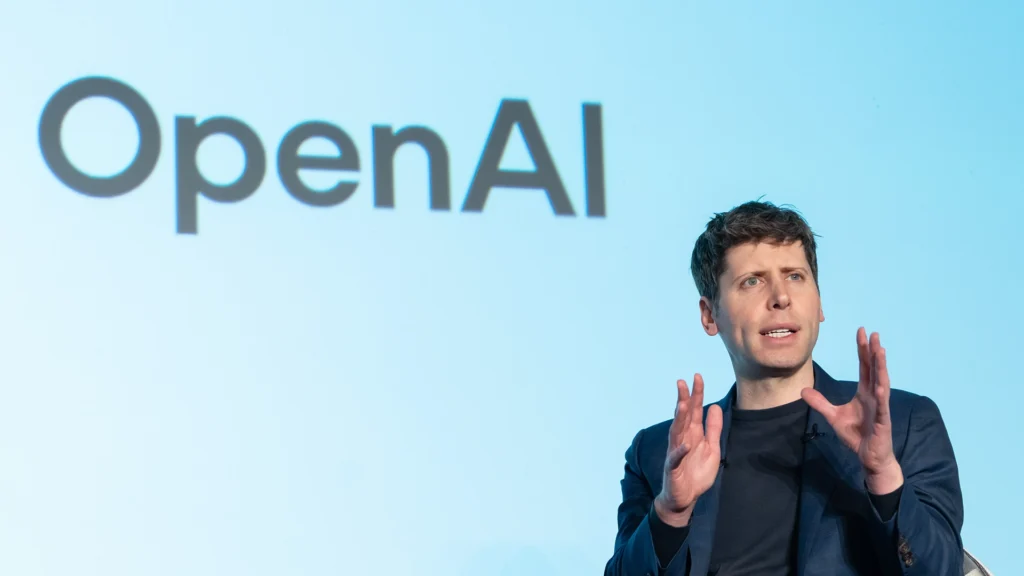
OpenAI launched ChatGPT, arguably the most viral and impressive consumer software product in history. Yet, behind the scenes, the financial reality is terrifying. Training and running these Large Language Models requires unprecedented Capital Expenditure.
Because OpenAI started as a non-profit and later bolted on a “capped for-profit” arm to raise capital, their corporate structure is in constant friction with their financial reality. They are burning cash at a historic rate.
OpenAI Says Its Business Will Burn $115 Billion Through 2029

Analysts are openly predicting that despite possessing an “A+ Technology,” standalone labs that lack a deep pocketed balance sheet (like Google’s Search revenue or Amazon’s Cloud revenue) might simply run out of money and be forced to sell.
The lesson is brutal. It does not matter if you build a product that changes the course of humanity. If you cannot align your corporate structure and your unit economics with the cost of your operations, ruthless capitalism will consume you.
The Founder’s Playbook: Engineering the Economics
If you are building a startup, you must engineer your business model with the exact same rigor that you use to engineer your code.
Here is the Unit Economics Playbook:
- 1. Charge for Value Immediately: Do not wait three years to introduce a pricing tier. If your product solves a real problem, customers will pay for it today. Charging money early forces you to validate your unit economics before you scale your server costs.
- 2. Structure Dictates Strategy: You must choose what kind of entity you are building. You cannot be a philanthropic research lab and a hyper-growth tech startup at the same time. The friction will destroy you. Choose your corporate structure based on your need for capital.
- 3. The CapEx Reality Check: As we saw with TSMC’s Scale Moat, infrastructure is astronomically expensive. If your product requires massive ongoing computing power, you must secure a sustainable revenue engine immediately. You cannot rely on venture capital to subsidize your daily operations indefinitely.
Science makes headlines. Unit economics make empires. Build the business model first.

Tumisang Bogwasi
Tumisang Bogwasi is an award-winning entrepreneur and strategist sharing insights on business growth, leadership, and innovation.